Animal Mandala for Kids: A Playful Type of Creative Font
When you are developing content for a younger demographic, the typography you choose does more than just display text; it sets the emotional tone. Animal Mandala for Kids is a prime example of a premium font designed specifically to bridge the gap between playful whimsy and structured design. It captures the intricate beauty of mandala art but distills it into a form that is approachable and engaging for children. For designers, marketers, and small business owners, understanding the nuance of this typeface is the first step toward creating more effective visual communications for family-oriented brands.
Visual Style and Personality
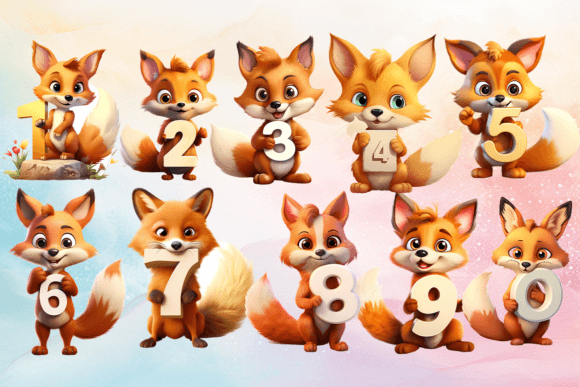
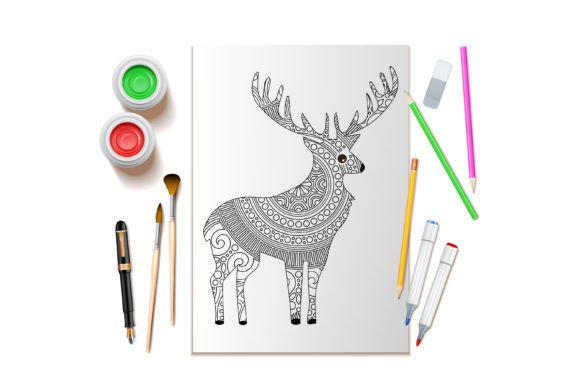
At its core, Animal Mandala for Kids is a distinct display font that relies on visual texture rather than standard strokes. Unlike a traditional sans serif font that prioritizes minimalism, or a serif font that offers a classic look, this typeface features letterforms constructed from animal motifs and geometric patterns typical of mandalas. It is not a script font or a loose handwritten font, but it maintains a handcrafted aesthetic that feels personal and artistic.
The visual weight of the characters is substantial. Because the letters are filled with intricate details—such as paisleys, animal features, and floral swirls—they function almost like illustrations. This makes them excellent for headers and titles where you need to grab attention immediately. The personality of Animal Mandala for Kids is energetic and curious, inviting the viewer to look closer at the details within the letters themselves. It transforms standard typography into a coloring book experience, making it a versatile design asset for various creative projects.
Strategic Applications in Branding and Marketing
For entrepreneurs and content creators, finding a creative font that stands out in a crowded market is challenging. Animal Mandala for Kids offers a unique solution for projects that require a blend of sophistication and fun. In brand identity development, this font can serve as the cornerstone for logos targeting the children’s education, entertainment, or parenting sectors. It signals creativity and mindfulness, making it ideal for brands that want to appear thoughtful yet playful.
In editorial design and packaging design, this typeface shines when used for headlines, chapter titles, or product names. Imagine a line of organic snacks for children or a series of educational workbooks; using Animal Mandala for Kids on the cover immediately communicates the target audience and the product's nature. It works exceptionally well in print media, such as posters or flyers for school events, where high visual impact is necessary to draw parents and children in.
Digital applications are equally robust. For web design, the font is perfect for hero sections or landing page banners related to kids' activities. In the realm of social media graphics, it provides a distinct look that helps bloggers and publishers stand out in feeds. Whether you are promoting a summer camp, a new toy, or a children’s book, this typeface adds a layer of thematic depth that generic fonts simply cannot achieve. It is a commercial font that justifies its place in a professional toolkit by offering a specific mood that resonates with families.
Design Mechanics: Pairing and Hierarchy
Effective modern typography often relies on contrast. Because Animal Mandala for Kids is highly decorative, it should rarely be used for body text. Its intricate details can reduce readability at small sizes, and the visual density can overwhelm a reader if used for long paragraphs. Instead, it should be reserved for display purposes—think big, bold headers.
To create a balanced visual hierarchy, pair this display font with a clean, legible body copy. A geometric sans serif font works beautifully here. The simplicity of the sans serif allows the complexity of the mandala letters to take center stage without competing for attention. For example, if you are designing a poster, use Animal Mandala for Kids for the main title, a slightly less ornate style for the subheading, and a standard sans serif for the event details. This approach ensures that your message is understood while maintaining a high level of visual interest.
When testing font pairings, pay attention to x-height and weight. You want the secondary font to feel grounded so that the playful nature of the primary font is balanced by stability. This is a common strategy in logo design when using ornate typefaces; the logo mark might be the animal mandala font, while the supporting text uses a sturdy sans serif to ensure the company name is readable on business cards and websites.
Practical Guidance for Implementation
When you purchase a digital product like this, you are investing in a set of design assets. It is important to understand the file formats included. This specific product comes as a digital file containing EPS, PNG, and SVG formats. These vector and high-resolution raster files are essential for professional work. They allow you to scale the artwork for anything from a small sticker to a large banner without losing quality.
For crafters and hobbyists, particularly those using cutting machines like Cricut or Silhouette, the SVG format is invaluable. It allows for precise cutting paths if you are creating stickers, iron-on transfers, or paper crafts. The PNG format is useful for quick digital mockups or printing directly onto surfaces, while the EPS format is standard for professional graphic design software like Adobe Illustrator.
Before finalizing your project, always evaluate the fit of the font within the broader context of your design. Does the intricate nature of the mandala distract from the message, or does it enhance it? For a coloring book, the font is the feature. For a website header, it needs to be supported by a strong layout. Ensure that the brand identity remains consistent; if your brand is usually very minimalist, introducing such a complex font might require a strategic shift in your color palette or layout to accommodate the new visual weight.
Ultimately, Animal Mandala for Kids is more than just a typeface; it is a thematic tool. It brings a sense of wonder and artistic engagement to projects. By using it strategically for headlines and logos, and pairing it with simpler typefaces for body text, you can create professional, eye-catching designs that appeal directly to the imagination of children and the aesthetic sensibilities of their parents.